
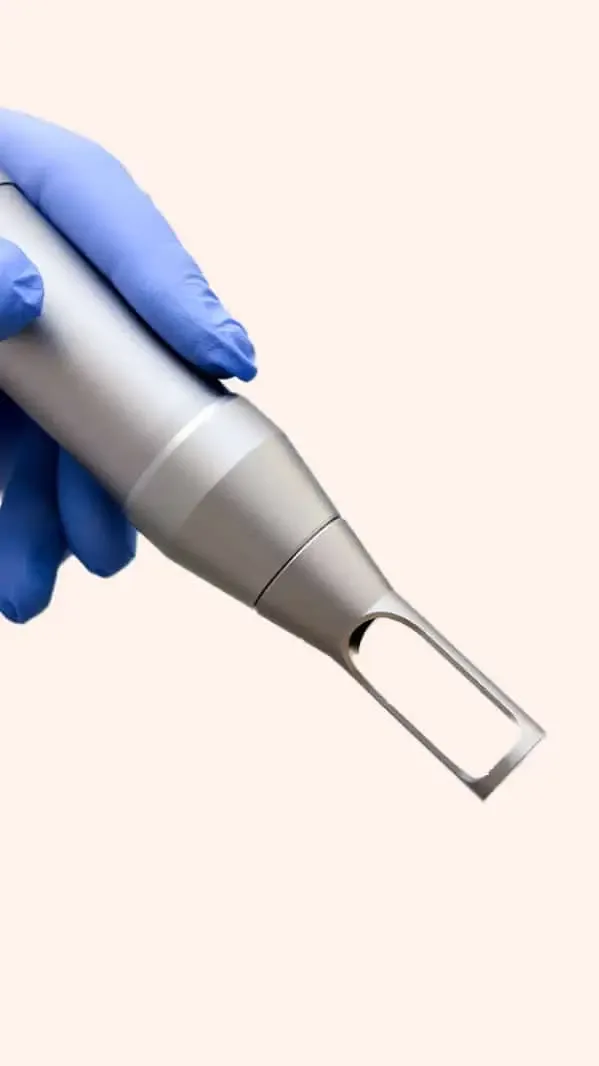
01How a laser actually works
Every laser is tuned to a target (a chromophore) — melanin for pigment, haemoglobin for vessels, water for resurfacing, or ink for tattoos. The wavelength and pulse decide what the energy hits and what it leaves alone, which is why a laser that clears a sun spot is the wrong tool for a broken vessel or an acne scar.
That is the whole logic of choosing a laser: match the device to the target in your skin. Picking by brand name (or by whatever a friend had) is how people end up with sessions that do not move the concern they actually came for.
02Which laser for which concern
Map your main concern to the laser family that targets it. The physician confirms the exact device and settings at consultation:
- Pigment — sun spots, freckles, dull tone: Pico or Q-switched laser, which shatters melanin clusters the body then clears.
- Melasma: conservative low-fluence Pico toning, alongside topicals and strict sun protection — see our melasma guide for darker skin.
- Tattoo removal: Pico / Q-switched over a spaced series, colour-dependent.
- Acne scars and large pores: fractional resurfacing, which stimulates remodelling over weeks.
- Redness, flushing, visible vessels, rosacea: IPL or pulsed-dye / vascular laser targeting haemoglobin — see our medical-adjacent laser guide.
- Overall glow and texture: gentle Pico toning, often paired with a brightening drip — see our skin-brightening guide.
03Darker skin (Fitzpatrick IV–V)
Middle-Eastern, South-Asian, and many Southeast-Asian skin tones pigment readily and are prone to post-inflammatory hyperpigmentation (PIH). The same laser fluence that is safe on light skin can trigger a rebound of pigment on darker skin, so the right approach is deliberately conservative — lower energy, more spaced sessions, and a test patch first.
This matters most for melasma and for any pigment work. If a clinic offers an aggressive single-session laser for melasma on darker skin, that is a flag.
Our dedicated guide on melasma and pigmentation for Middle-Eastern skin tones covers the conservative protocol in detail.
04Bangkok price and downtime (2026)
Prices as of 2026 in Thai Baht; ranges depend on area and session count.
- Pico toning / brightening: from ฿2,500 per session; pigment programs run ฿3,500–฿15,000 across a series.
- Targeted pigment / sun-spot Pico: ฿5,000–฿15,000 depending on extent.
- Fractional resurfacing for acne scars: ฿6,000–฿20,000 per session; usually a spaced series.
- IPL / vascular for tone and redness: ฿3,500–฿12,000 per session.
- Downtime ranges from none (gentle toning) to a few days of redness or flaking (fractional resurfacing) — planned around your schedule.
05Planning a single-trip laser
Most laser results come from a spaced series (typically 3–6 sessions, 3–4 weeks apart), so a single trip rarely completes a pigment or scar plan. The realistic approach for international patients is to start the series in Bangkok — assessment, test patch, and the first one or two sessions — then continue maintenance at home or on a return visit.
Gentle toning and IPL have little to no downtime and combine well with other treatments on the same trip; fractional resurfacing needs a few recovery days, so schedule it early if your return flight is tight. The consultation builds a realistic series plan and tells you honestly what one trip can and cannot finish.
Ready to talk to our doctor?
Send a photo or describe your concern on LINE — we'll suggest a treatment plan and price range before you visit.